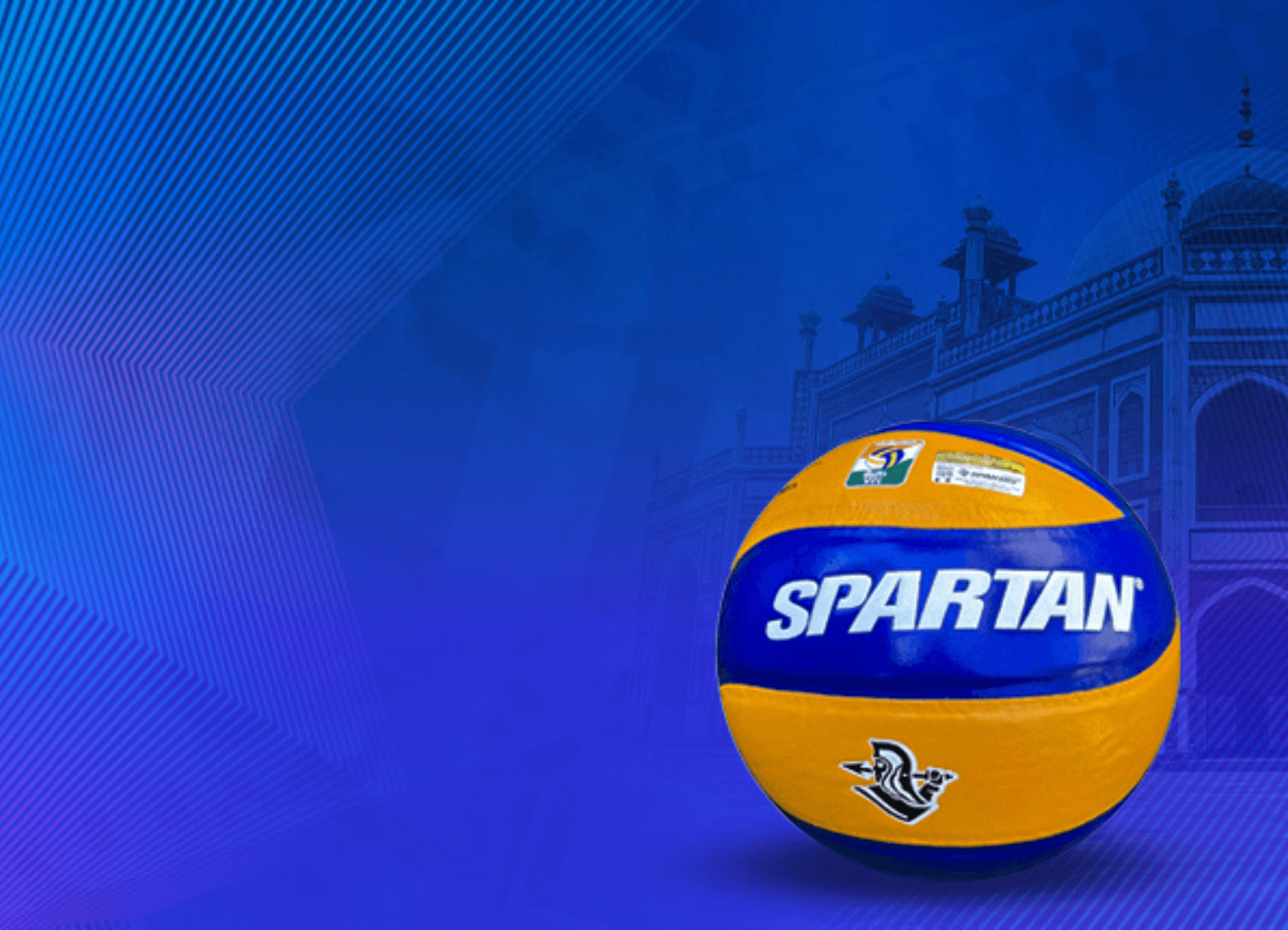

The Delhi Pro Volleyball League (DPVL) is officially set to debut in 2026, introducing a franchise-based professional structure for volleyball in the national capital. Designed to identify, nurture, and promote serious talent, DPVL aims to create a clear, merit-based pathway for players to rise from grassroots to a professional platform.
This is not just a tournament announcement — it's the beginning of a structured volleyball ecosystem for Delhi and a significant boost to India's growing volleyball movement.
Institutional Strength Behind the League
DPVL has been launched with strong governance and sports administration support from:
- Delhi Volleyball Association
- Delhi Olympic Association
- Guidance aligned with the Volleyball Federation of India
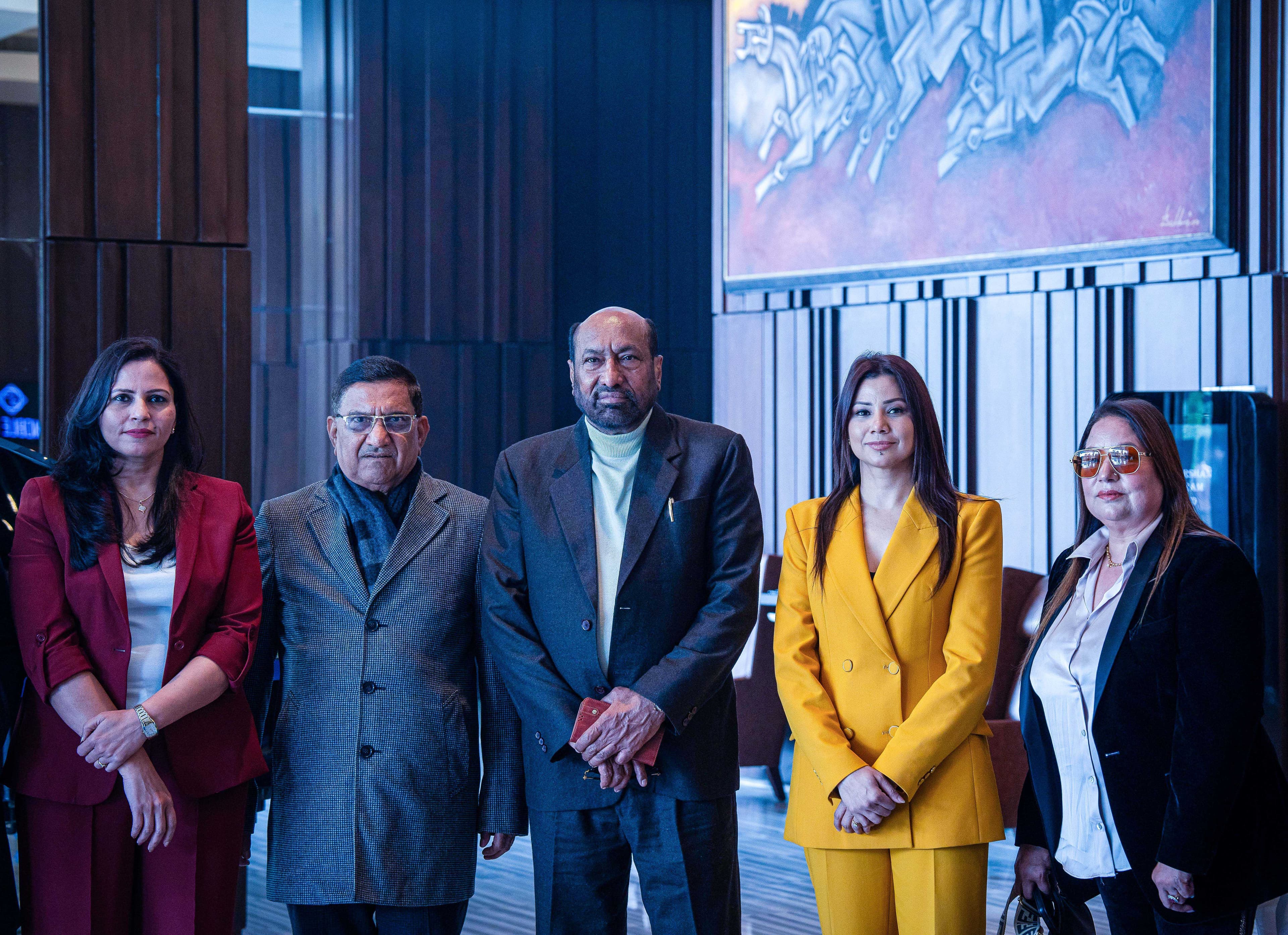
The announcement was led by former Indian volleyball players:
- Neeti Rawat
- Jasoda Gulliya
Their involvement ensures that player realities, development gaps, and performance needs are built into the league's structure from day one.
Kuldeep Vats, President of the Delhi Olympic Association and Joint Secretary of VFI, reaffirmed full organisational backing — signalling long-term seriousness, not a short-term event.
League Format — 6 Franchises, Professional Setup
DPVL will feature:
- Six franchise teams
- Professional match environment
- Organised schedule and competitive structure
- Branding, visibility, and fan engagement similar to top pro leagues
Each franchise will represent competitive identity while giving athletes exposure to professional team culture, coaching systems, and match pressure.
Transparent Open Trials — Performance Over Connections
A standout feature of DPVL is its open and transparent trial system.
- Trials open for Delhi players and talent across India
- Selection purely on skill, fitness, and performance
- No closed-door selections
- Equal opportunity platform for emerging athletes
This approach directly addresses one of Indian volleyball's biggest challenges — limited visibility for deserving players.
Building a Sustainable Volleyball Ecosystem in Delhi
According to Sudhir Vats, President of the Delhi Volleyball Association, DPVL is designed to:
- Identify regional talent early
- Retain Delhi's best players within a competitive structure
- Strengthen the state's volleyball infrastructure
- Provide continuity from junior level to professional exposure
Co-founder Jasoda Gulliya emphasized that DPVL is not just a league, but a long-term framework connecting:
Players → Coaches → Teams → Sponsors → Fans → Administration
Recognition of Young Talent at Launch
During the launch ceremony, Delhi's Junior Boys and Girls volleyball teams were felicitated for their national-level performances.
This recognition highlighted two things:
- Delhi already has deep volleyball talent
- DPVL is the next step to elevate these athletes onto a professional stage
Strategic Timing for Indian Volleyball Growth
Indian volleyball has seen rising interest and professionalism with leagues like the Prime Volleyball League (PVL).
DPVL complements this growth by adding a strong state-level professional base. It creates a feeder system where players can gain exposure, experience, and recognition before reaching national and international levels.
What DPVL Means for Different Stakeholders
The Bigger Picture
DPVL is a milestone for Delhi sports culture and a strategic step for Indian volleyball.
By combining institutional support, player-led vision, and transparent systems, the league promises to set a new benchmark for how state-level professional volleyball should be organised.
